“Understanding in Real Time How Energy Is Consumed” – Elodie Bondi Speaks on BFM Marseille
Press releases
Written by a Qualisteo energy efficiency expert.
Duration: 2 minutes. Automatically generated subtitles.
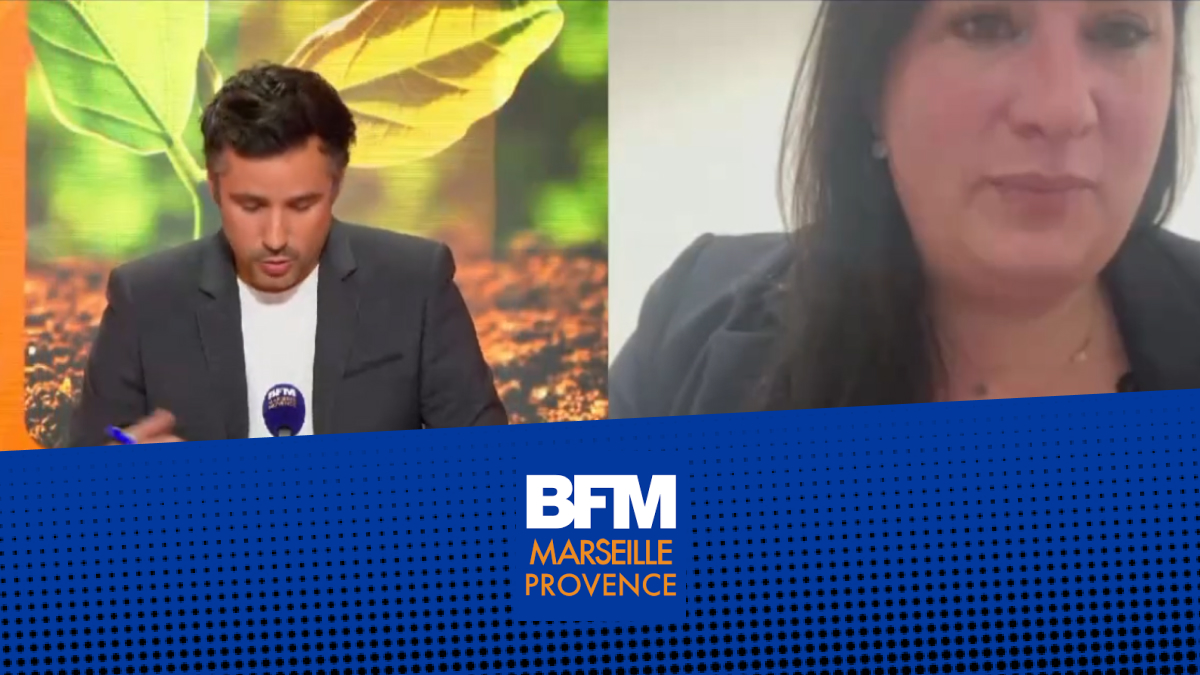
Excerpt from the interview of Elodie Bondi, CEO of Qualisteo, with Jean Lazuech in the program “Focus Environnement”, broadcast on November 20, 2025, on BFM Marseille.
Your factory could save up to 40%
Implement Qualisteo’s Smart Metering IoT solutions in your plant and allow your company to achieve substantial savings on its energy bill.
Qualisteo’s energy efficiency experts provide full support. Request a demo by clicking here.
Transcript
The text below corresponds to the video transcript.
Elodie Bondi:
Qualisteo provides a solution dedicated to energy measurement. A Smart Metering system has been developed, an intelligent meter that received a European Innovation Award. It enables real-time understanding of how energy is consumed and how an industrial process operates.
It is essentially an energy “Big Brother” that is deployed. Thanks to this system, all consumption leaks are identified, and clients are supported in reducing their consumption by 15% to 40% in certain countries.
Jean Lazuech:
Decarbonization is often perceived as a cost for companies and manufacturers. How can they be convinced that, thanks to your solutions, it is actually a way to become more competitive?
Elodie Bondi:
The technologies offered are lightweight, meaning they require a minimal investment, with ROI periods ranging from three months for some technologies to a maximum of three years for others.
The approach truly focuses on optimizing what already exists.
There is no intention to propose a decarbonization solution requiring significant investment, such as replacing a gas boiler with an electric process. The aim is to optimize existing systems, with the conviction that much more can already be achieved without heavy spending.
Consumption can be reduced by up to 30% on industrial sites. The idea is: let’s first improve what already exists, and then, in a second phase, consider more substantial investments for decarbonization.
To go further: